Citizen journalism involves any person from the public who don’t have to be specialised journalists that record or live stream incidents and spread it throughout Facebook, twitter, blogs, podcasts, and newsletters. This ultimately provides immediate images and videos from the case.

More in particular, it is used to report breaking news and the exact time and place.
Some critiques of citizen journalism may look at it and say that most people lack in both education, experience of media coverage and normal news groups that typically edit and fact check before posting the report to maintain high standards and ethics within news coverage.
However, I personally believe citizen journalism through social media is good a beneficial as it does not obscure the truth or provide misinformation, it is a live or recorded at the exact scene of what specifically happened. I don’t see how you need to fact check or edit a piece of firsthand evidence that is shot at the exact same place.
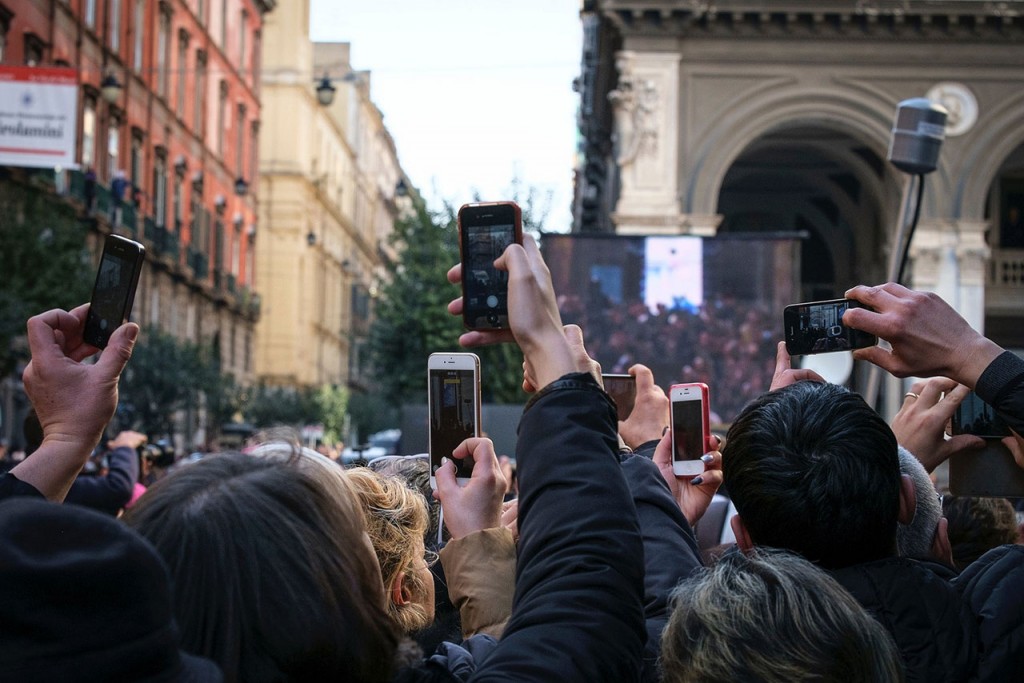
It is not possible for there to be any editing, especially if it is a live streamed video online. I believe it provides the harsh reality in some cases with no hiding from the truth, which is why citizen journalism can be beneficial.
It is real and leaves no conspiracies as it is completely upfront (as confronting as that may be).
The route of citizen journalism originated in South Korea in 2000 where it was claimed that “every citizen is a reporter”, said by Oh Yeon-ho (an online entrepreneur). From then, citizen journalism has contributed a major part in political events.

To this day, literally anyone can whip out their phone and become a citizen journalist, with the easy access to social media within a click of a button.
![Updated] 23 social media tips for marketers & free checklist - Talkwalker](https://www.talkwalker.com/images/2020/blog-headers/meg/social-media-tips-blog-header-no-logo.png)
One prime example of citizen journalism contributing heavily to the spread of news is through the devastating tsunami that occurred in Bands Aceh, Indonesia in December 2004. Some areas reported that the tsunami had reached up to 9 metres when it hit the shoreline in some areas. 225,000 people were killed as a result of the tsunami, and on top of which there was a lack of medical treatment, clean water and food.
This incident had been recorded on several people’s phones and posted online such as Facebook and YouTube, where experts could furthermore seek extra footage to uncover any other underlying clues to the catastrophe and how it originated/ its impact to society. Ultimately, this is where citizen journalism became extremely useful for not only normal people, but even experts.
Real Footage:
This again leads to my opinion on why I believe citizen journalism is actually very beneficial. It exposes any unhidden truths without any possibility of editing, and then allows specialists to adapt for possible future cases to make it as safe as possible.
Academic Sources:
Sonny Albarado (2021), Britannica, ‘Citizen journalism’, viewed August 12 2021,
https://www.britannica.com/topic/citizen-journalism
The Editors of Encyclopaedia Britannica (2021), ‘Indian Ocean Tsunami of 2004‘, viewed August 12 2021, https://www.britannica.com/event/Indian-Ocean-tsunami-of-2004
 allegraslovitt.com